






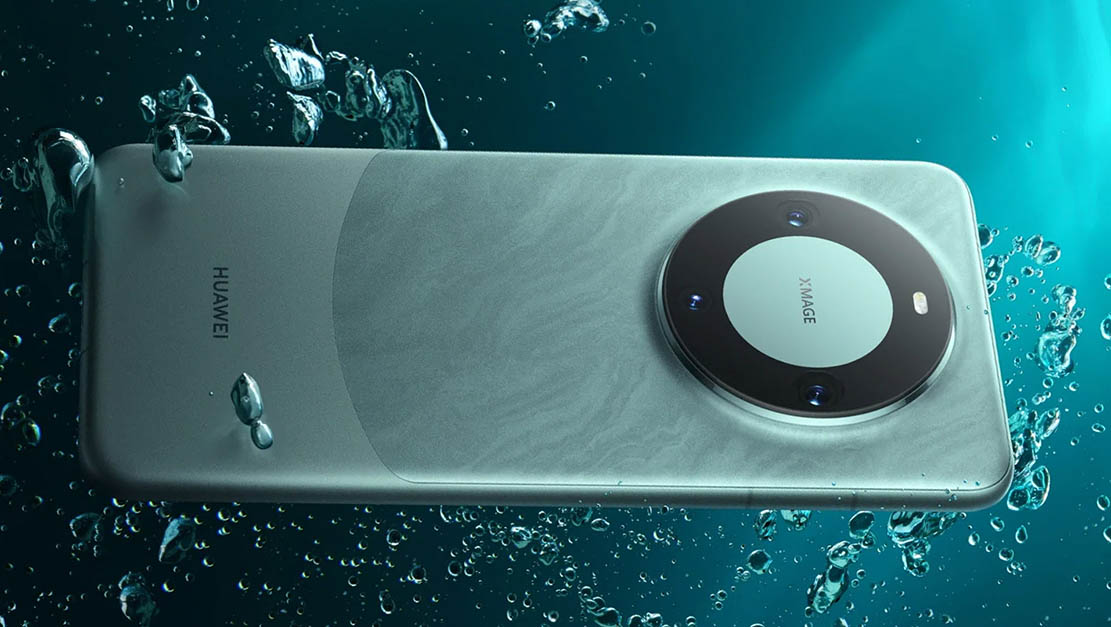
With the rapid development of technology, the performance and features of smartphones continue to improve. Every year, major manufacturers release multiple high-end flagship models equipped with top-tier hardware and the latest software technologies, meeting diverse user demands for performance, photography, battery life, and design. Faced with such a dazzling array of options, many people share a common question: which high-end smartphone is truly worth buying this year?I will combine hardware performance, camera experience, system optimization, battery life and user experience to conduct an in-depth analysis and recommend several of the most competitive flagship phones in 2025 to help you make a wise purchasing decision.
1. Core Criteria for Evaluating Flagship Phones
- Performance
The performance of a flagship phone mainly depends on the processor (SoC), RAM capacity, and storage speed. High-end chips such as the Qualcomm Snapdragon 8 Gen 3, Apple A17 Pro, or the latest Samsung Exynos series, combined with LPDDR5X RAM and UFS 4.0 storage, ensure smooth system operation, multitasking, and gaming experiences. - Display
Flagship models usually feature high refresh rates (120Hz or higher), high resolution (2K or above), and OLED panels, delivering delicate colors and smooth visuals. Color accuracy and brightness are also key evaluation metrics. - Camera System
Photography capability has become a major focus in flagship competition, involving sensor size, lens aperture, algorithm optimization, and multi-camera synergy. Night scenes, portrait mode, and video shooting quality are especially important. - Battery Life and Charging
Large-capacity batteries and fast charging technologies (such as 120W wired fast charging and 50W wireless charging) directly affect daily usage experience. Smart power management is increasingly vital. - Software and Ecosystem
System fluidity, update frequency, and the richness of app ecosystems impact long-term user experience. Built-in security and privacy protection features have also become additional advantages. - Design and Feel
Materials, weight, grip comfort, and protection capabilities (such as IP68 waterproof rating) determine daily usability and durability.
2. Recommended High-End Flagship Phones for 2025
- Apple iPhone 15 Pro Max
Performance: Equipped with the new A17 Pro chip featuring a 6-core CPU and 6-core GPU, offering powerful performance and excellent power efficiency.
Display: 6.7-inch Super Retina XDR OLED with 120Hz adaptive refresh rate, delivering delicate visuals.
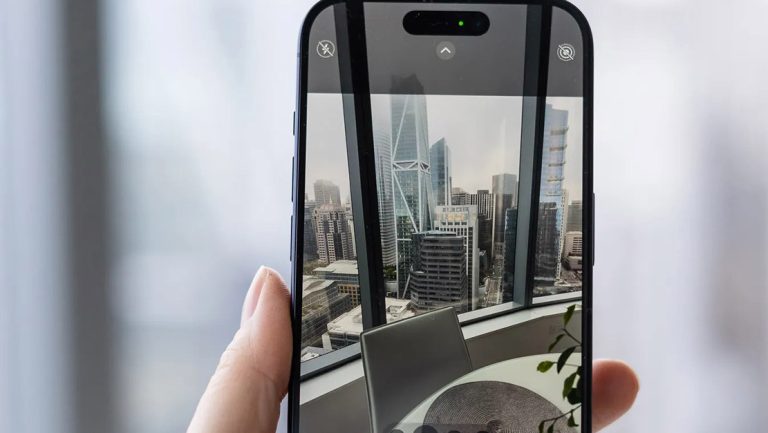
Camera: 48MP main camera with sensor-shift optical image stabilization, excelling in night scenes and video shooting.
Battery: Moderate capacity battery supporting 27W wired charging and 15W MagSafe wireless charging.
System: Optimized iOS 17 with rich ecosystem and long-term update support.
Design: Titanium body, lightweight and durable, with IP68 water and dust resistance.
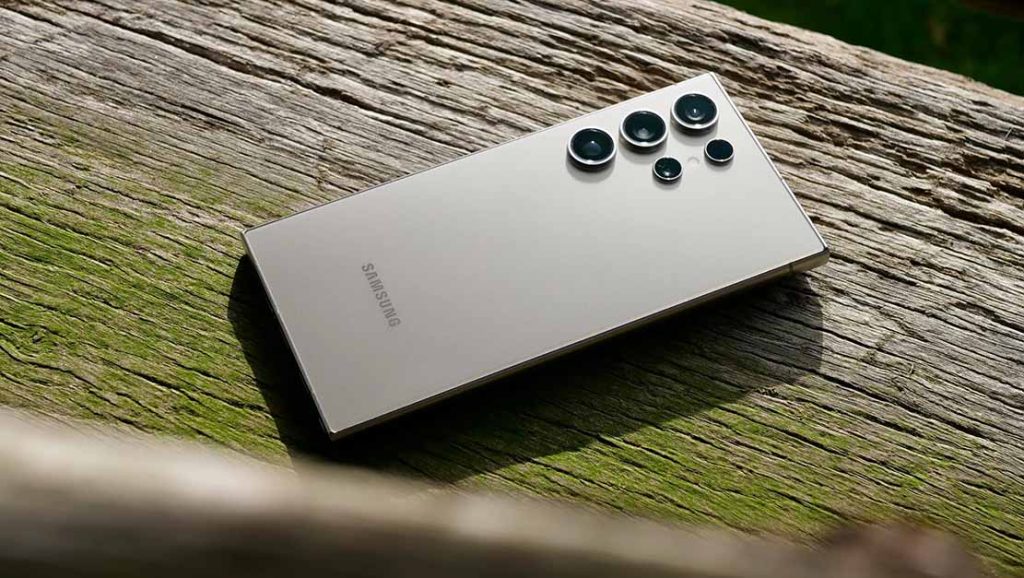
Summary: The iPhone 15 Pro Max remains the first choice for iOS users, especially those who value system fluidity and ecosystem integration. - Samsung Galaxy S24 Ultra
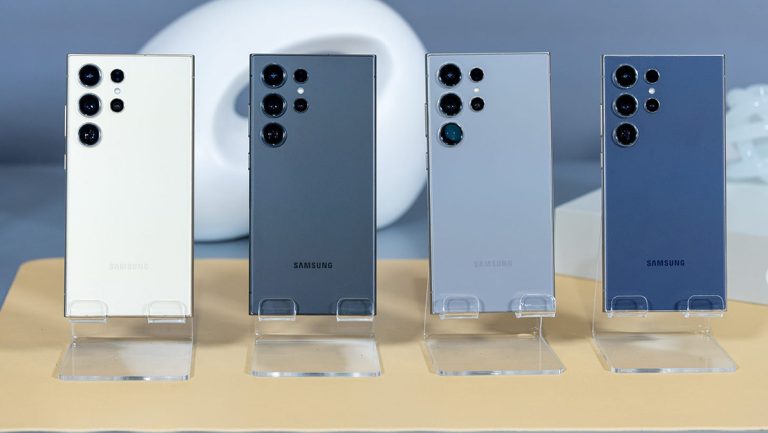
Performance: Powered by Snapdragon 8 Gen 3 (Exynos 2400 in some regions), top-tier performance with LPDDR5X RAM support.
Display: 6.8-inch 2K AMOLED with dynamic 120Hz refresh rate and HDR10+ certification, delivering excellent color.
Camera: 200MP main sensor with laser autofocus and 10x optical zoom, leading in night and telephoto shots.
Battery: 5000mAh large battery supporting 65W fast charging and wireless charging, excelling in both endurance and charging speed.
System: One UI 6.0 based on Android 14, with a clean interface and rich features.
Design: Glass and metal construction with curved screen, comfortable grip, and IP68 rating.
Summary: Ideal for Android fans who prioritize photography and screen quality, a flagship representative of the Android camp. - Google Pixel 8 Pro
Performance: Powered by Google’s own Tensor G3 chip, optimized for AI and machine learning.
Display: 6.7-inch LTPO OLED with 120Hz refresh rate, delivering natural and delicate visuals.
Camera: 50MP main camera with powerful computational photography, excelling in night and portrait modes.
Battery: Supports 30W wired and 23W wireless charging with a reasonable battery capacity.
System: Pure Android experience with timely updates and high security.
Design: Metal frame and glass back, solid hand feel, IP68 waterproof rating.
Summary: Suitable for users who seek pure Android and outstanding photography, especially those fond of the Google ecosystem. - Huawei Mate 60 Pro
Performance: Equipped with the Kirin 9000S chip, balanced CPU and GPU performance, suitable for multitasking.
Display: 6.82-inch OLED with 120Hz refresh rate, featuring vibrant colors.
Camera: 50MP main sensor with multiple AI photography technologies, outstanding night scene performance.
Battery: 4500mAh battery supporting 88W wired and 50W wireless fast charging.
System: HarmonyOS 4, smooth and supporting multi-device interconnectivity.
Design: Curved screen design with high-quality build and IP68 protection.
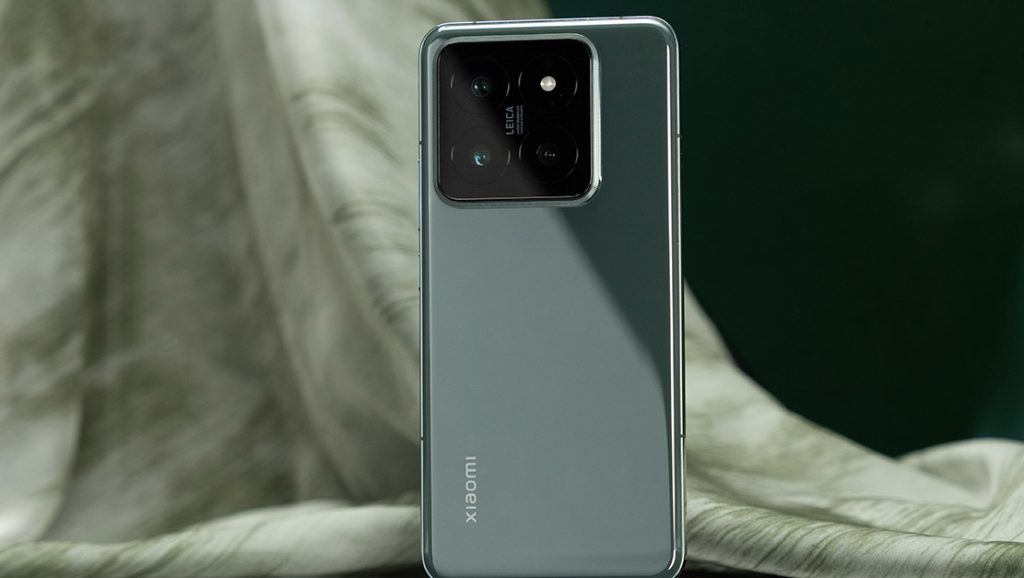
Summary: Best suited for users within the Huawei ecosystem, especially excelling in communication and multi-device collaboration. - Xiaomi 14 Pro
Performance: Snapdragon 8 Gen 3 flagship chip delivering strong performance to meet heavy loads.
Display: 6.73-inch 2K AMOLED with 120Hz refresh rate, excellent brightness and color performance.
Camera: 100MP main sensor supporting multi-focal shooting, strong night photography.
Battery: 4600mAh battery with 120W wired and 50W wireless fast charging.
System: MIUI 14, feature-rich and highly customizable.
Design: Ceramic back panel with outstanding texture, IP68 waterproof rating.
Summary: Xiaomi 14 Pro offers excellent value for money and configurations, suitable for users with flexible budgets seeking performance and photography.
3. Comparative Analysis
- Performance-wise, the iPhone 15 Pro Max and Samsung S24 Ultra both adopt top-tier chips. Apple leads in single-core performance and system optimization, while Samsung excels in multi-core and graphics performance for gaming and multitasking.
- Screen quality sees Samsung S24 Ultra and Xiaomi 14 Pro offering higher resolution and richer colors, ideal for users who enjoy watching videos and design work.
- Photography: Samsung stands out with ultra-high megapixels and multi-times zoom; Apple focuses on sensor and algorithm synergy; Google excels in computational photography; Huawei and Xiaomi perform well in night scenes and AI optimizations.
- Battery and charging: Xiaomi and Huawei lead in charging speed, while Apple and Google emphasize stable endurance.
- System ecosystems and personal habits closely relate. iOS suits users who value a closed ecosystem, while Android offers more freedom and customization options.
4. Purchasing Advice and Platform Recommendation
When buying, prioritize your personal usage habits and budget. Clarify whether your main needs are performance, photography, or system ecosystem, and choose the flagship that best fits. Regarding purchase channels, it is recommended to buy through reputable e-commerce platforms like Amazon, which guarantee genuine products and after-sales service. They also frequently offer promotions, providing better prices and shopping experiences.
The flagship smartphone market in 2025 is fiercely competitive, with brands unveiling their strongest devices. Whether you pursue top-notch performance, extreme photography, or smooth systems with robust ecosystems, you can find a satisfactory choice. The iPhone 15 Pro Max is ideal for those seeking ultimate system experience and brand value. Samsung Galaxy S24 Ultra stands out in the Android camp for screen and camera excellence. Pixel 8 Pro offers new heights in pure Android and computational photography. Huawei Mate 60 Pro and Xiaomi 14 Pro attract many users with unique ecosystems and high cost-performance ratios.


+ There are no comments
Add yours