






Over the years I’ve spent building websites, I’ve switched WordPress hosts several times—starting with Bluehost, trying out SiteGround, and finally settling on WP Engine. Honestly, the process felt less like a simple choice and more like a cycle of “learning the hard way” and upgrading. Each switch wasn’t made on a whim; it was driven by issues that surfaced during actual use—problems regarding speed, stability, security, and backend management efficiency.
My Initial Experience with Bluehost
When I first started building websites, I chose Bluehost without hesitation. The reasons were simple: it was affordable, well-known, beginner-friendly, and the one-click WordPress installation process was incredibly smooth. Everything went well at the start; linking the domain, setting up the backend, and handling basic configurations were all hassle-free.
However, as my site accumulated content, problems began to arise. The most noticeable issue was a drop in speed; mobile access, in particular, suffered, with some pages clearly lagging during load times. Although I tried optimizing images and reducing the number of plugins, the results were limited. A more serious incident occurred during a promotional campaign: a sudden surge in traffic caused significant latency, and some visitors even reported being unable to load the site at all.
That experience made me realize that while Bluehost is great for getting started, it isn’t well-suited for websites in a growth phase.
Moving to SiteGround and Hitting Performance Bottlenecks
Later, I migrated my site to SiteGround. I made this decision because it had a strong reputation within the WordPress community and marketed itself on offering an optimized hosting environment. The experience immediately following the migration was indeed much better than Bluehost—the backend was cleaner, load times improved, and overall stability was superior.
Yet, after using it for a while, I discovered that problems persisted—they simply manifested in different ways. When traffic spiked or multiple users simultaneously accessed content-heavy pages, slight delays would still occur. While it didn’t suffer from the obvious stuttering I experienced with Bluehost, this kind of “subtle slowdown” actually had a greater negative impact on the user experience during day-to-day operations.
Another factor that gave me pause was the cost. The initial pricing looked attractive, but renewal fees were significantly higher. Additionally, certain advanced optimization features required extra configuration, making the service less “worry-free” than I had anticipated.
First Impressions of WPEngine
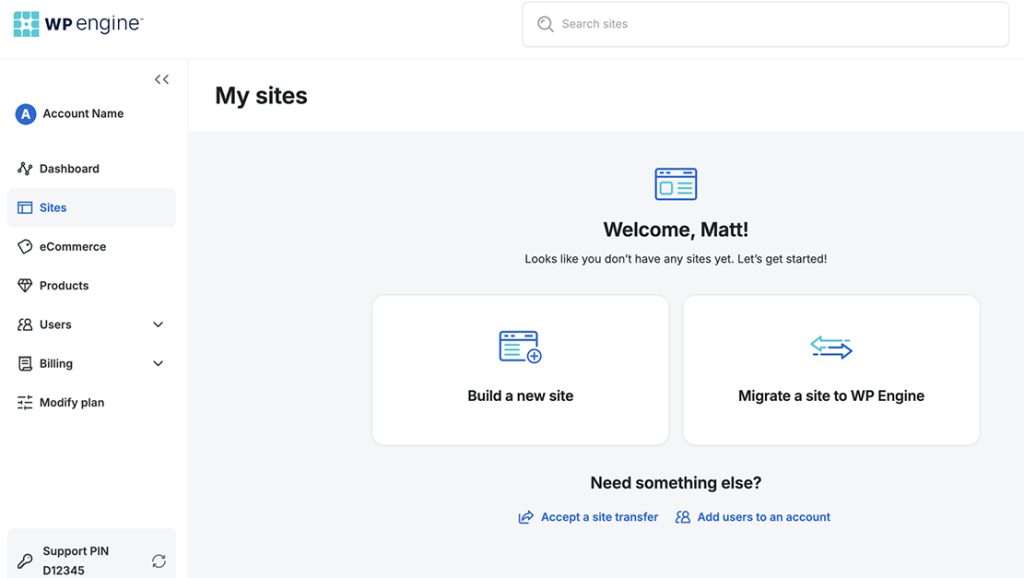
I began seriously considering WPEngine after a content promotion campaign. Traffic spiked well above normal levels, and I clearly noticed the backend slowing down—there was even lag while editing articles. Although the site didn’t crash, the instability made me reflect: was I wasting too much energy on “server maintenance” rather than focusing on the content itself?
When I started looking into WPEngine, my first impression was that it was a truly professional service. It isn’t just a generic shared hosting provider; it is a managed platform deeply optimized specifically for WordPress. Its focus isn’t merely on “getting the site running,” but on ensuring it runs stably, quickly, and securely.
The migration process was also simpler than I expected. I had assumed an enterprise-grade service would be complicated, but thanks to automated migration tools and a solid support process, I encountered almost no technical hurdles.
Speed and Stability After Migration
The most noticeable change after the migration was a sense of “lightness.” There was a tangible improvement in loading speeds; the homepage loaded almost instantly, and pages that used to require waiting times on Bluehost or SiteGround now loaded without any perceptible lag on WPEngine.
This was especially true for content-heavy articles—such as those with many images or complex layouts—where the scrolling experience was incredibly smooth, free from the intermittent stuttering or pauses I used to experience. More importantly, the site remained stable even during significant traffic fluctuations, showing no obvious performance drops.
This made a deep impression on me; I used to habitually monitor server status, but with WPEngine, that anxiety gradually faded away.
Peace of Mind Regarding Security and Backend Management
Beyond speed, the backend experience was another major reason I decided to stay. WPEngine’s staging environment has been incredibly helpful. Previously, when using SiteGround or Bluehost, I was always cautious about testing plugins or modifying themes for fear of disrupting the live site.
With WPEngine, however, I can freely make adjustments in the staging environment and only sync them to the live site once I’ve confirmed everything is working correctly. This makes the entire update process safe and fully controllable.
Another feature that really impressed me was the automated backup system. I once accidentally altered a page’s structure, but I was able to restore it to the previous day’s state with a single click—no complex procedures required. You might not notice this feature during day-to-day operations, but it becomes absolutely critical the moment a problem arises.
Why I Ultimately Chose WPEngine
When comparing Bluehost, SiteGround, and WPEngine side-by-side, the distinctions are clear to me.
Bluehost is primarily about getting a site online—a suitable choice for beginners. SiteGround represents a middle-ground option, balancing performance and price. WPEngine, however, acts as an upgrade for sites that have moved into the “active operation” phase; it addresses not just basic functionality, but stability, efficiency, and long-term scalability.
It is true that WPEngine comes at a higher cost. However, once your site begins generating real traffic or business value, you realize the true cost isn’t the hosting fee itself, but the losses caused by instability and the time spent troubleshooting technical issues.
I have now migrated all my core projects to WPEngine. I rarely worry about server-level concerns anymore, allowing me to focus entirely on content and growth strategies.
Ensuring High-Performance, Stable Website Operations
If your website has entered a growth phase and you prioritize stability, speed, and professional operational efficiency, WPEngine is undoubtedly the best investment. It delivers lightning-fast page loads and reliably handles traffic spikes. Furthermore, features like automated backups, robust security, and convenient staging environments make website maintenance effortless. For me, switching to WPEngine wasn’t just about changing hosts; it was about experiencing truly efficient, stable, and professionally managed hosting. It allows me to dedicate my energy to content creation and business development without the distraction of server issues.



+ There are no comments
Add yours